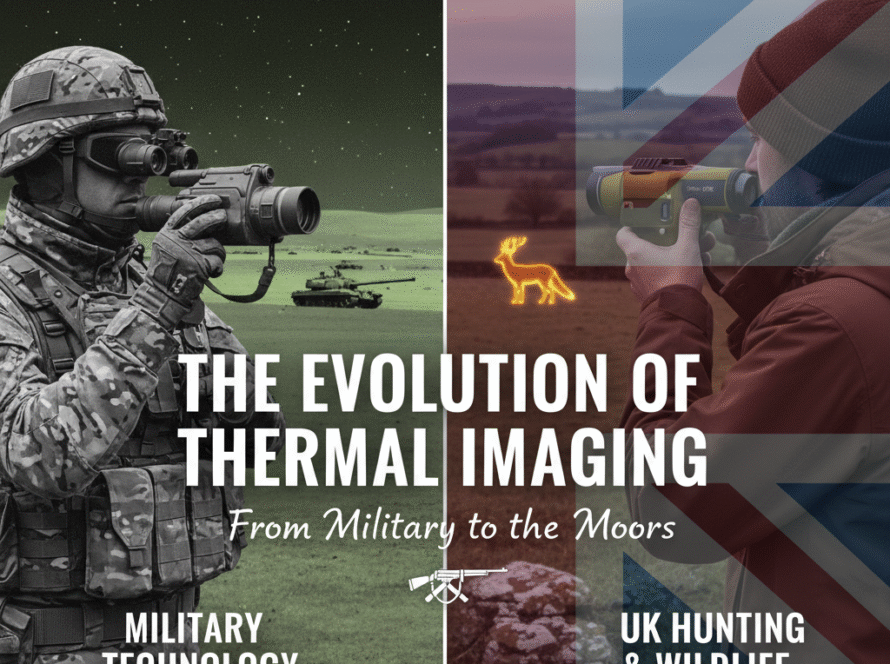
Wildlife observation has taken on a whole new dimension in 2025. As technology evolves, more outdoor enthusiasts, conservationists, and night explorers are turning to high-tech optics to reveal what happens after sunset. Whether you’re tracking owls, observing nocturnal mammals, or studying animal behavior in low-light environments, two powerful technologies dominate the field: night vision and thermal imaging.
Both tools help you see what the naked eye cannot—but they do it in very different ways. Understanding these differences is crucial if you want to invest in the right device for your wildlife adventures.
In this guide, you’ll discover how each technology works, their strengths, limitations, and the best use cases for wildlife enthusiasts in 2025. By the end, you’ll know exactly which option fits your observation style.
What Makes Wildlife Observation at Night So Challenging?
Night-time wildlife watching is magical, but also incredibly challenging. Most animals become active after dark, yet human eyes simply aren’t built to detect movement or detail in low light. Shadows blur shapes, ambient light disappears, and even the brightest moon provides very little usable clarity.
Three major issues make night observation difficult:
- Low light levels – Even under a full moon, visibility is limited.
- Animal camouflage – Many nocturnal animals blend seamlessly into the darkness.
- Movement detection – Identifying movement in pitch black conditions is almost impossible without assistance.
This is where night vision and thermal imaging step in, transforming total darkness into a world filled with detail.
Understanding Night Vision Technology
Night vision is the classic tool for nighttime observation. If you’ve watched nature documentaries, military footage, or night-time survival shows, you’ve seen night vision in action.
How Night Vision Works
Night vision amplifies available light—moonlight, starlight, or even faint ambient reflections. It collects that light, intensifies it through an image intensifier tube, and converts it into the familiar green-tinted images.
The more ambient light available, the clearer the picture.
Types of Night Vision Technology
Night vision comes in several “generations,” each one representing improvement in clarity and performance:
- Gen 1 Night Vision
Affordable but least powerful; suitable for casual viewing. - Gen 2
Sharper images, better low-light performance; commonly used for wildlife. - Gen 3
Professional-grade with exceptional clarity; used by researchers and military. - Digital Night Vision
Uses digital sensors instead of tubes; excellent for recording and modern use.
Pros of Night Vision
- Clear outlines and visible features
- More affordable than thermal imaging
- Lightweight and beginner-friendly
- Produces real-time recognizable images
- Excellent for observing animal behavior
Cons of Night Vision
- Requires ambient light
- Easily affected by shadows and low visibility
- Not effective in fog, rain, or complete darkness
- Sensitive to bright light exposure
Understanding Thermal Imaging Technology
Thermal imaging is a completely different approach—rather than amplifying light, it detects heat. Every animal gives off a heat signature, and thermal optics display these signatures as bright or colorful patterns against a cooler background.
How Thermal Imaging Works
Thermal cameras detect infrared radiation (heat) emitted by objects. This heat is converted into a digital image that shows warm areas in bright tones and cooler areas in darker tones.
This makes animals stand out clearly—even if they are hiding, still, or behind light vegetation.
Types of Thermal Devices
- Handheld thermal monoculars
- Thermal binoculars
- Helmet-mounted thermal optics
- Hybrid thermal-night vision systems
Pros of Thermal Imaging
- Works in complete darkness
- Penetrates fog, smoke, and light brush
- Exceptional for detecting movement
- Great long-range detection
- Not affected by bright light
Cons of Thermal Imaging
- More expensive than night vision
- Less detail; animals appear as heat silhouettes
- Harder to identify species or observe behavior
- Heavier and more power-intensive
Night Vision vs Thermal Imaging: Key Differences
Choosing between the two requires understanding where each shines. Here are the key differences every wildlife observer should consider:
1. Light Requirements
- Night Vision: Needs some light—moon, stars, or artificial IR.
- Thermal: Requires zero light; works even in complete darkness.
2. Image Detail
- Night Vision: Shows real images with facial features and textures.
- Thermal: Detects heat signatures but lacks fine detail.
3. Detection Ability
- Night Vision: Good for close-range viewing but limited for scanning large areas.
- Thermal: Excellent for long-range detection and spotting hidden animals.
4. Weather Performance
- Night Vision: Struggles in fog, smoke, and heavy rain.
- Thermal: Performs well in challenging weather conditions.
5. Cost
- Night Vision: More affordable; great entry point.
- Thermal: Higher price but more powerful for detection.
6. Best For
- Night Vision: Observing animal behavior and detail.
- Thermal: Locating animals quickly in dense terrain.
Best Devices for Wildlife Observation in 2025
Here are the top recommendations for this year:
Best Night Vision Device for 2025: AGM NVG-40 Night Vision Goggles
Why it stands out:
- Sharp image clarity
- Long battery life
- Digital recording and IR illuminator
- Lightweight and durable
Best for: Beginners to advanced wildlife watchers
Best Thermal Imaging Device for 2025: Pulsar Helion 2 XP50 Pro
What makes it top-tier:
- Incredible heat detection
- Long-range performance
- High-resolution sensor
- Excellent in fog or dense forests
Best for: Serious wildlife trackers and professionals
Which Should You Choose for Wildlife Watching?
Choosing between night vision and thermal imaging depends entirely on what you want to observe.
Choose Night Vision If…
- You want to see animals clearly
- Behavior is important to you
- You are on a budget
- You prefer natural, detailed images
- You want to record video or photos
Night vision is best for:
Owls, deer, foxes, raccoons, and general wildlife behavior studies.
Choose Thermal Imaging If…
- You need to detect animals quickly
- You’re navigating large areas
- You want to spot hidden wildlife
- You observe in harsh conditions
- You frequently scan forests or fields
Thermal imaging is ideal for:
Boar, coyotes, big cats, nocturnal mammals, and deep-forest movement tracking.
The Best Setup? Use BOTH
Many professionals use thermal imaging to locate animals, then switch to night vision to observe them.
Tips for Using Night Vision and Thermal Optics Safely
- Avoid pointing night vision at bright lights
- Use proper lens cleaning tools
- Keep batteries fully charged
- Move slowly to avoid scaring animals
- Respect wildlife distance and habitat
- Avoid shining IR lights directly at animals
Using optics responsibly ensures a safe and ethical wildlife experience.
Final Verdict: Which Is Better in 2025?
There’s no one-size-fits-all answer. Both technologies dominate different parts of the wildlife observation world:
- Night Vision = Best for observing detail and behavior
- Thermal Imaging = Best for detection and locating hidden animals
If you’re a hobbyist or casual observer, night vision is usually the best and most affordable choice. But if you’re serious about tracking or want the most powerful night-time visibility possible, thermal imaging is unmatched.
In 2025, wildlife lovers are increasingly investing in both—creating the perfect nighttime observation toolkit.
FAQs
1. Can thermal imaging see through walls or trees?
No—thermal detects heat, not X-ray images. It can detect animals behind thin brush but not solid objects.
2. Is night vision safe for animals?
Yes. Just avoid using extremely bright IR lights directly on wildlife.
3. Which is better for beginners?
Night vision. It’s more intuitive, affordable, and shows more natural images.
4. Can thermal imaging identify species?
Not usually; it shows shapes and heat but lacks fine detail.
5. Which lasts longer: thermal or night vision?
Night vision generally has longer battery life. Thermal devices consume more power due to their sensors.